Trying to choose between a Newport waterfront condo and an in-town home? In this market, that choice is rarely just about price or square footage. It often comes down to how you want to live, how much upkeep you want to manage, and what kind of monthly and long-term costs fit your plans. If you are weighing both options in Newport, this guide will help you compare the real trade-offs and move forward with more clarity. Let’s dive in.
Newport Market Conditions Matter
Newport’s housing market remains tight, which can make the condo versus house decision feel even more personal. In Q1 2026, the city’s combined median sales price for single-family homes and condos was $805,000, with 75 average days on market, 30 closed sales, and 47 active listings.
That tells you two important things. First, Newport remains a high-price market with limited options. Second, buyers often need to decide based on lifestyle fit and ownership costs, not just a wide selection of available inventory.
Current search results show how shallow each category can be. Recent listing counts showed 13 condos, 4 downtown single-family homes, and just 1 townhome result in Newport. If you are hoping to compare many similar properties side by side, that usually is not how this market works.
Waterfront Condos: What You Gain
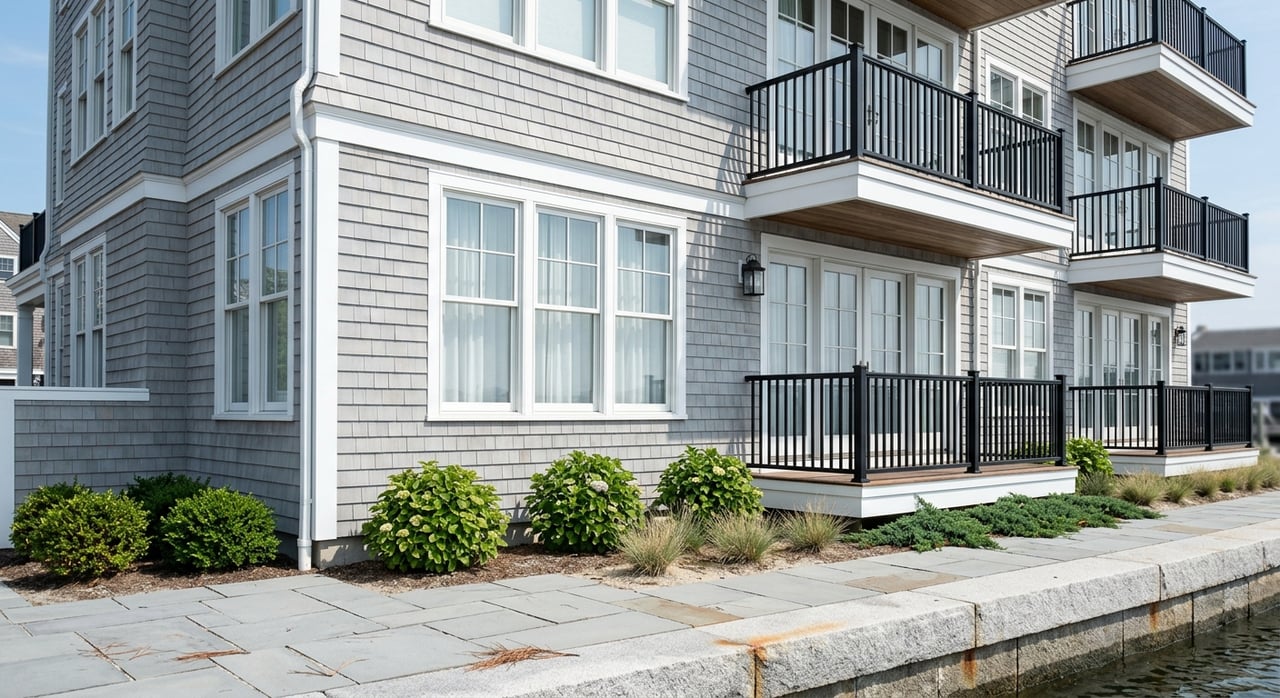
A waterfront condo in Newport often appeals to buyers who want location and convenience in one package. In many cases, you get water views, proximity to the harbor, and building features that support a more managed ownership experience.
A current example at Brown & Howard Wharf helps illustrate the model. That waterfront condo is listed at $3.2 million and includes elevator access, dock access, on-site management, and a monthly HOA of $2,760. While one listing does not define the whole market, it does reflect what many buyers are really paying for in this category: a lower-touch lifestyle in a prime setting.
For seasonal residents or second-home buyers, that can be a major advantage. If you do not want to spend your time arranging exterior repairs or monitoring the property every week, a condo can feel more streamlined and predictable.
Lock-and-Leave Appeal
One of the biggest reasons buyers choose a condo is simplicity. Shared building management can reduce the number of day-to-day ownership tasks that fall directly on you.
Condo fees are mandatory and commonly cover exterior repairs, common areas, and services such as water, sewer, trash, and amenity upkeep. That does not eliminate ownership costs, but it can shift many routine responsibilities into one monthly structure.
Shared Amenities and Access
Some waterfront condos also offer features that would be costly or hard to replicate in a standalone home. Depending on the property, that may include elevator service, on-site management, marina or dock access, parking arrangements, or secured common areas.
If you value ease of use and a waterfront setting more than private yard space or total control over the property, this ownership model can make a lot of sense.
In-Town Homes: What You Gain
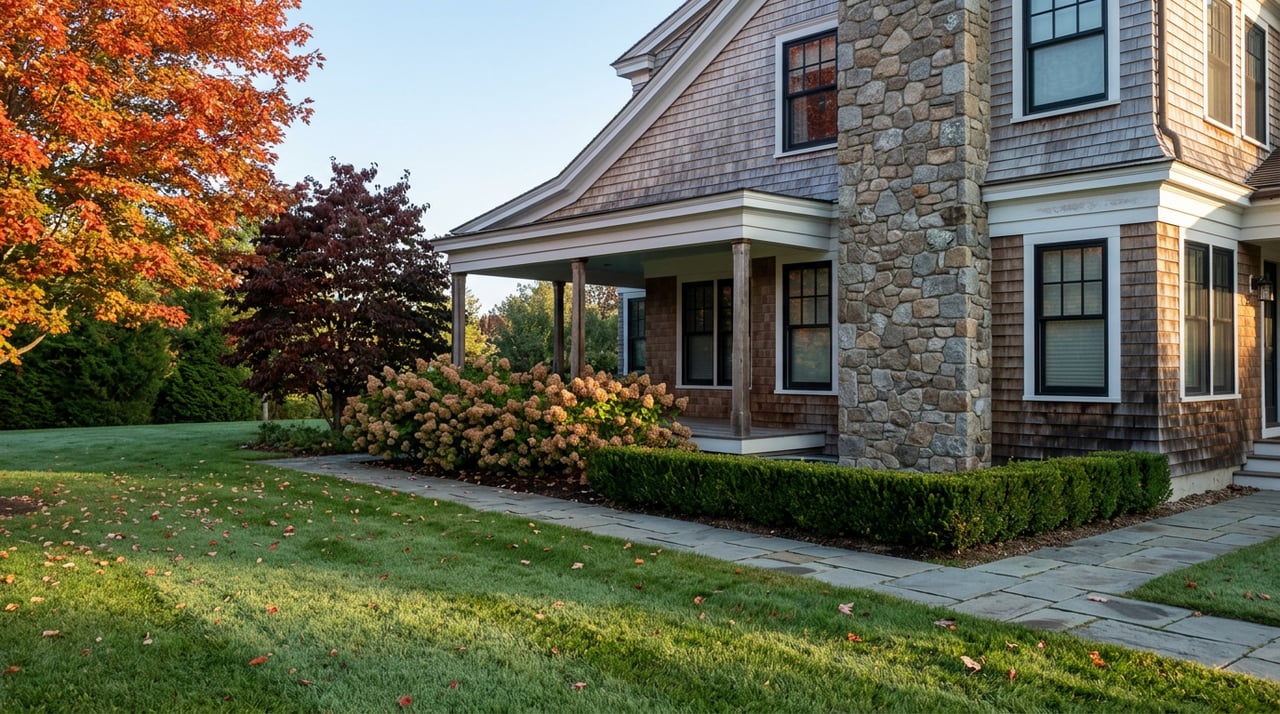
An in-town single-family home usually offers a different kind of value. Instead of shared services and rules, you get more privacy, more direct control, and more independence in how you use and maintain the property.
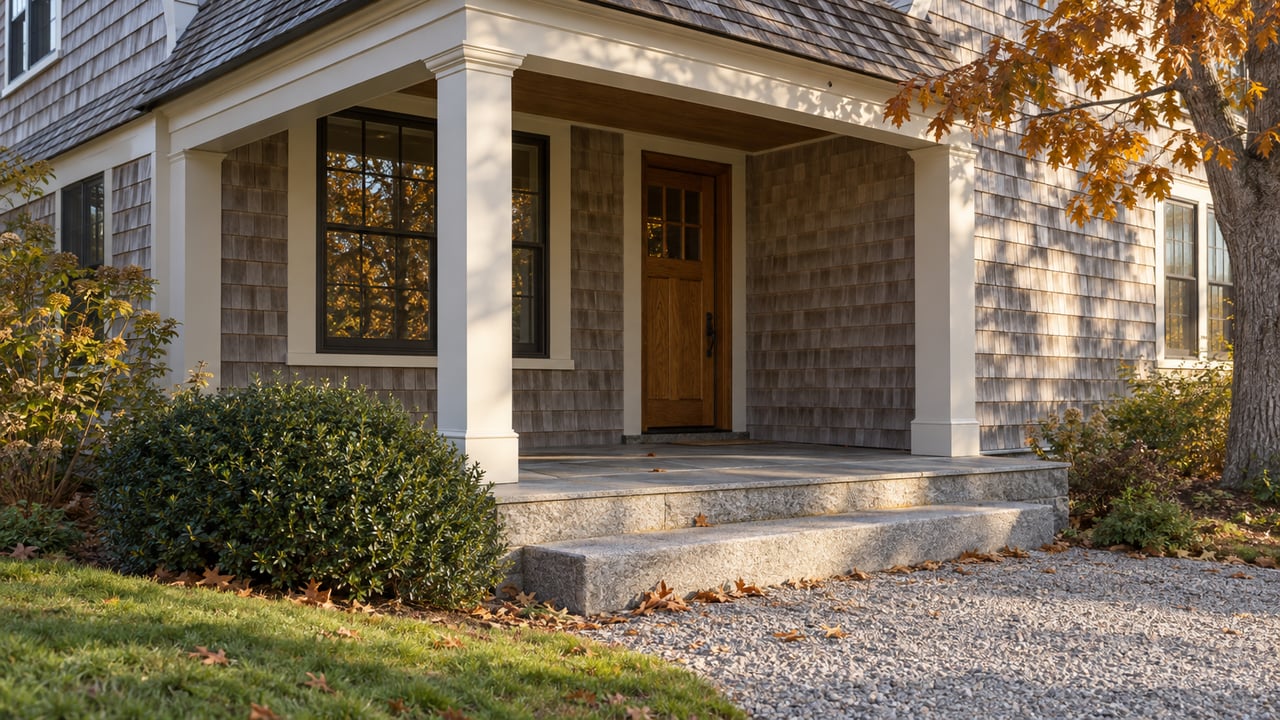
A current listing at 30 Thames Street shows that contrast well. The home is listed at $2.4 million and offers features such as a private patio, two-car parking, and no HOA fee. That setup can be especially appealing if you want outdoor space, a more traditional ownership structure, and the freedom to make decisions about repairs and upgrades on your own timeline.
For many buyers, that sense of control is the whole point. You are not balancing your preferences against a building association’s rules or a shared maintenance budget.
More Privacy and Flexibility
With an in-town home, your property feels more self-directed. You can often enjoy more separation from neighbors, more individualized outdoor space, and a stronger sense of having a place that is fully your own.
That can be especially important if Newport is your primary home rather than a part-time retreat. Daily living needs, parking, storage, and direct access tend to carry more weight when you are using the property year-round.
No HOA, But More Responsibility
The trade-off is straightforward. When you own a single-family home, you are also responsible for the repairs and maintenance that come with it.
That includes routine fixes and bigger capital items like roofing, exterior work, and systems upkeep. In Newport, that deserves extra attention because many in-town homes are older and historically significant, which can mean more ongoing care over time.
The Cost Comparison Is Not Always Obvious
Buyers sometimes assume a condo is automatically less expensive to own or that a home is automatically the better long-term value. In Newport, it is usually more nuanced than that.
Condo pricing can vary widely across the city. Recent visible listings ranged from $499,000 for a condo on Chastellux Avenue to seven-figure waterfront offerings. In-town homes also show a broad range, with recent downtown listings such as 16 Bridge Street at $1.85 million and 30 Thames Street at $2.4 million.
That means your comparison should go beyond the purchase price. You need to look at the full carrying cost and the ownership experience attached to each option.
Condo Costs to Budget For
When you buy a condo, your monthly budget may include:
- Mortgage payment
- Property taxes
- HOA or condo dues
- Homeowners insurance for your unit
- Possible flood-related costs depending on location and building exposure
The benefit is that some maintenance and shared services are usually built into the condo fee. The trade-off is that those dues are mandatory and separate from your mortgage.
Home Costs to Budget For
When you buy an in-town home, your monthly and annual costs may include:
- Mortgage payment
- Property taxes
- Homeowners insurance
- Flood insurance if required by the property’s location and lender
- Ongoing maintenance and future capital repairs
The appeal is greater control and no HOA fee. The challenge is that repair costs can be less predictable.
Waterfront Ownership Adds Coastal Considerations
If you are leaning toward a waterfront condo, you should think carefully about coastal costs and due diligence. In Newport, water access and harbor views are a huge part of the appeal, but they can also come with added insurance and property considerations.
Rhode Island’s Coastal Property Guide notes that coastal properties can face additional flood insurance premiums and special building requirements. Buyers in FEMA Special Flood Hazard Areas generally need flood insurance for mortgage financing, and standard homeowners insurance typically does not cover flood damage.
That matters whether you are buying a condo or a home near the water. Still, waterfront condos often place you closer to the very areas where these issues deserve the closest review.
Why Flood and Drainage Matter
Newport’s stormwater materials note that runoff from roofs, streets, driveways, and other hard surfaces flows into local waters without treatment. For a buyer, that is a reminder to pay attention to site conditions, drainage patterns, and how the property or building handles water exposure.
In practical terms, this means your decision should include more than the view. You also want a clear understanding of flood-zone status, insurance needs, and any building systems or site conditions that affect long-term ownership.
Property Taxes Can Change the Math
Another factor that can shape your decision is how you plan to use the property. Newport’s FY2026 budget materials show a two-tier residential tax structure.
The owner-occupied residential tax rate is $7.284 per $1,000 of assessed value. The non-owner-occupied residential rate is $8.863 per $1,000. If you are buying a second home or a seasonal property, that difference may affect your annual carrying costs in a meaningful way.
This is especially relevant for buyers considering a waterfront condo as a part-time residence. A lock-and-leave lifestyle may be attractive, but it should still be weighed against the tax structure and total cost of ownership.
Which Option Fits Your Lifestyle?
For most Newport buyers, the better choice comes down to how you plan to use the property. The ownership model should match your routine, not just your wish list.
A waterfront condo is often a strong fit if you want:
- A lower-touch ownership experience
- Shared management and exterior maintenance support
- Access to harborfront settings or building amenities
- A property that works well for part-time or seasonal use
An in-town home is often a better fit if you want:
- More privacy and direct control
- Outdoor space or dedicated parking
- Flexibility with repairs, upgrades, and daily use
- A primary residence that supports full-time living
Neither option is universally better. The right answer depends on how often you will be in Newport, how comfortable you are with maintenance, and whether you prefer predictable monthly dues or more variable repair expenses.
A Smart Newport Buying Approach
In a segmented market like Newport, it helps to compare ownership models with real numbers and real lifestyle priorities. Looking only at list price can lead you in the wrong direction.
Instead, compare each option through a practical lens:
- How often will you use the property?
- Do you want a lock-and-leave setup or full control?
- Are monthly HOA dues acceptable if they reduce maintenance tasks?
- Are you comfortable planning for older-home upkeep?
- Will the property be owner-occupied or non-owner-occupied?
- Does the location require closer review of flood insurance or coastal exposure?
When you answer those questions honestly, your path usually becomes clearer.
In Newport, the best purchase is not always the one with the best view or the most charming facade. It is the one that fits your life, your budget, and the level of ownership responsibility you actually want.
If you want help comparing Newport waterfront condos and in-town homes through a local, property-specific lens, liladelman.com can help you evaluate the market with clarity, discretion, and concierge-level guidance.
FAQs
How do Newport waterfront condos differ from in-town homes?
- Newport waterfront condos usually offer shared management, amenities, and a lower-touch ownership model, while in-town homes usually offer more privacy, more control, and full responsibility for maintenance.
Are HOA fees common for Newport waterfront condos?
- Yes. Condo dues are typically mandatory and often cover exterior maintenance, common areas, and certain shared services, but they are usually paid separately from your mortgage.
Do Newport in-town homes usually have HOA fees?
- In-town single-family homes generally do not have HOA fees, but you are usually responsible for all repairs, upkeep, and larger future maintenance costs.
Do Newport waterfront properties require flood insurance?
- Some do. Rhode Island guidance notes that buyers in FEMA Special Flood Hazard Areas generally need flood insurance for mortgage financing, and standard homeowners insurance typically does not cover flood damage.
How many condos and homes are available in Newport right now?
- Recent search results showed a limited supply, including 13 condos, 4 downtown single-family homes, and 1 townhome result, which reflects how segmented Newport inventory can be.
How do Newport property taxes affect second-home buyers?
- Newport has separate residential tax rates for owner-occupied and non-owner-occupied properties, so second-home buyers may face the higher non-owner-occupied rate depending on how the property is classified.